Did you know that plastic production is still rising, and is estimated to keep rising for the forseeable future?
It has been estimated that around 380 million metric tons of plastic are produced worldwide every year, with China one of the leading producers of plastic, generating a significant amount due to its large manufacturing sector and population. However, other countries like the United States, India, and European nations also contribute substantially to global plastic production. The exact ranking can vary from year to year based on factors such as industrial activity, consumption patterns, and waste management practices.
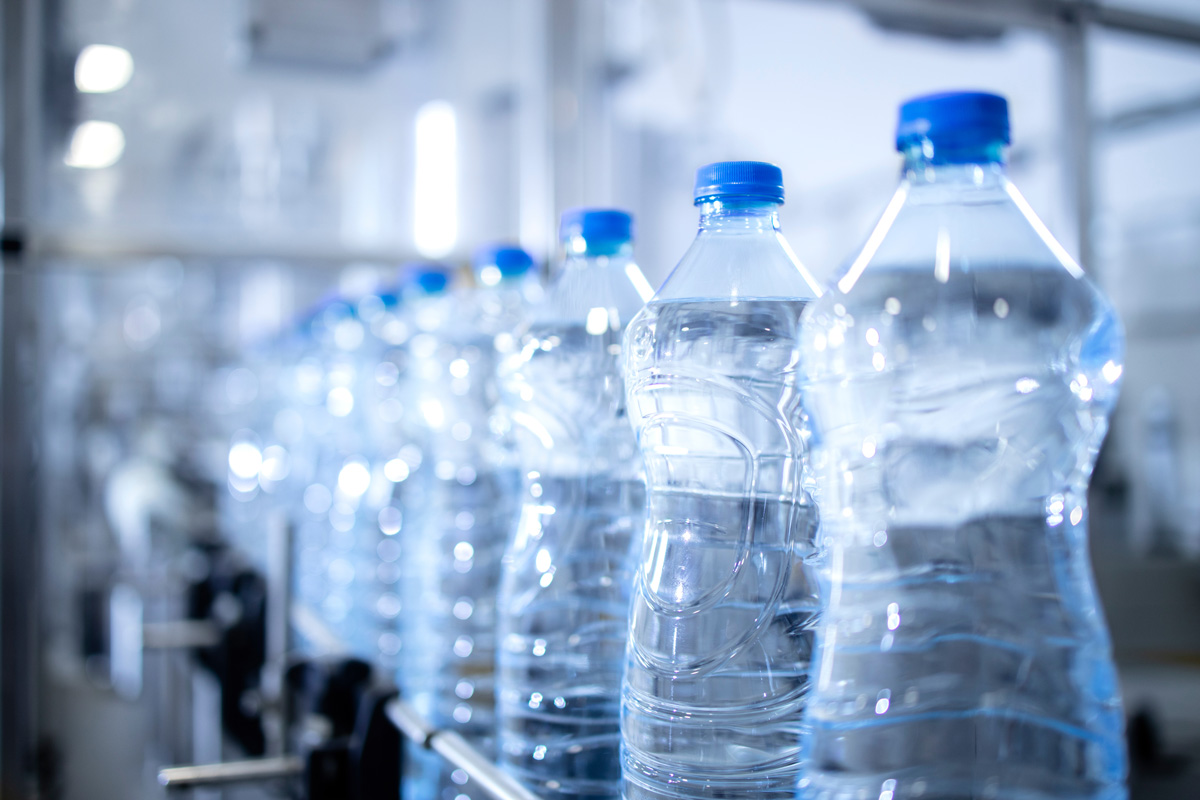
What are the projections for growth of plastic production?
Predicting exact future plastic production can be challenging due to various factors like economic conditions, technological advancements, regulatory changes, and shifts in consumer behavior. However, several trends and forecasts provide insights into potential trajectories:
Continued Growth
Many analysts anticipate that global plastic production will continue to grow over the next five years, driven by factors such as population growth, urbanization, and increased consumption.
Regional Variances
Growth rates may vary by region, with developing countries likely to see higher increases in plastic production as their economies expand and consumption levels rise.
Sustainability Efforts
There’s increasing awareness and action around plastic pollution and sustainability. This could lead to efforts to reduce single-use plastics, promote recycling and circular economy initiatives, and develop alternative materials, which may temper the growth rate of plastic production to some extent.
Regulatory Changes
Governments and international bodies are implementing regulations and policies aimed at reducing plastic waste and promoting more sustainable practices. These regulations could impact the growth trajectory of plastic production in certain regions.
Technological Innovations
Advances in technology, such as biodegradable plastics, plastic recycling technologies, and alternatives to traditional plastics, could influence future production levels.
While specific projections vary depending on the source and methodology, it’s generally expected that plastic production will continue to increase, albeit potentially at a slower rate than in previous years, as sustainability concerns gain momentum and influence decision-making.
© No More Plastic Packaging 2024.
So, what can we do about it?
Addressing the challenges posed by plastic production and pollution requires a multifaceted approach involving individuals, businesses, governments, and international organisations. Here are some actions that can be taken:
Reduce Consumption
Individuals can minimise their use of single-use plastics by opting for reusable alternatives like water bottles, bags, and containers. Conscious consumption habits, such as buying products with minimal packaging or in bulk, can also help reduce plastic waste.
Promote Recycling
Proper waste management and recycling are crucial. Communities can implement effective recycling programs, and individuals can ensure they recycle plastics correctly according to local guidelines.
Support Sustainable Practices
Businesses can adopt sustainable practices such as using eco-friendly packaging, incorporating recycled materials into their products, and designing products for longevity and recyclability.
Advocate for Policy Changes
Citizens can advocate for policy changes at local, national, and international levels to regulate plastic production, promote recycling, ban single-use plastics, and incentivize the use of biodegradable alternatives.
Invest in Innovation
Research and development into alternative materials, biodegradable plastics, and advanced recycling technologies can help reduce the environmental impact of plastic production and disposal.
Education and Awareness
Increasing public awareness about the environmental consequences of plastic pollution and the importance of sustainable practices can lead to behavior change and support for initiatives aimed at reducing plastic waste.
Clean-up Efforts
Community clean-up events and initiatives can help remove plastic litter from natural environments, preventing harm to wildlife and ecosystems.
International Cooperation
Collaboration among countries and international organizations is essential to address plastic pollution comprehensively, as plastic waste can travel across borders and impact global ecosystems.
By taking collective action at individual, community, and societal levels, we can work towards mitigating the impacts of plastic pollution and creating a more sustainable future.